
Color psychology is a fascinating subject that focuses on the influence of colors on human emotions and behavior 🌈. In the world of marketing and branding, understanding and applying color psychology is essential to effectively reach your target audience. Discover the power of color psychology and make your brand stand out. In this article you will read about the influence of color psychology on online marketing, how colors influence emotions and behavior, and how to apply it to your brand.
What is color psychology?
Before we explain the meaning behind colors, it is important to understand what color psychology is. Color psychology is the science behind the influence of colors on human behavior and emotions. The goal of color psychology is to understand why and how different colors influence our feelings, actions and decisions. This is because our brain 🧠 gives (unconsciously) a reaction when seeing a certain color. Understanding the psychology behind this will help you choose the right colors for what you want to achieve 🎯.
Examples of color psychology
- Perfume: Luxury perfume brands often use gold and silver in their packaging to create a sense of elegance and exclusivity.
- Soft drink: Many soft drink brands, such as Coca-Cola, use red in their branding to associate excitement and fun with their products.
- Children’s products: Children’s products, such as toys and baby clothes, often use soft pastel colors to create a child-friendly look.
Do colors have a meaning?
To directly answer the question of whether colors have meaning: yes, colors absolutely have meaning and can have a profound effect on brand perception and consumer behavior 🙌. Understanding these meanings is invaluable for companies. The right color palette can give a brand a competitive edge. By researching your target audience, brand identity, competition and the meaning behind the colors, you can use colors to achieve goals.
The influence of color psychology on online marketing
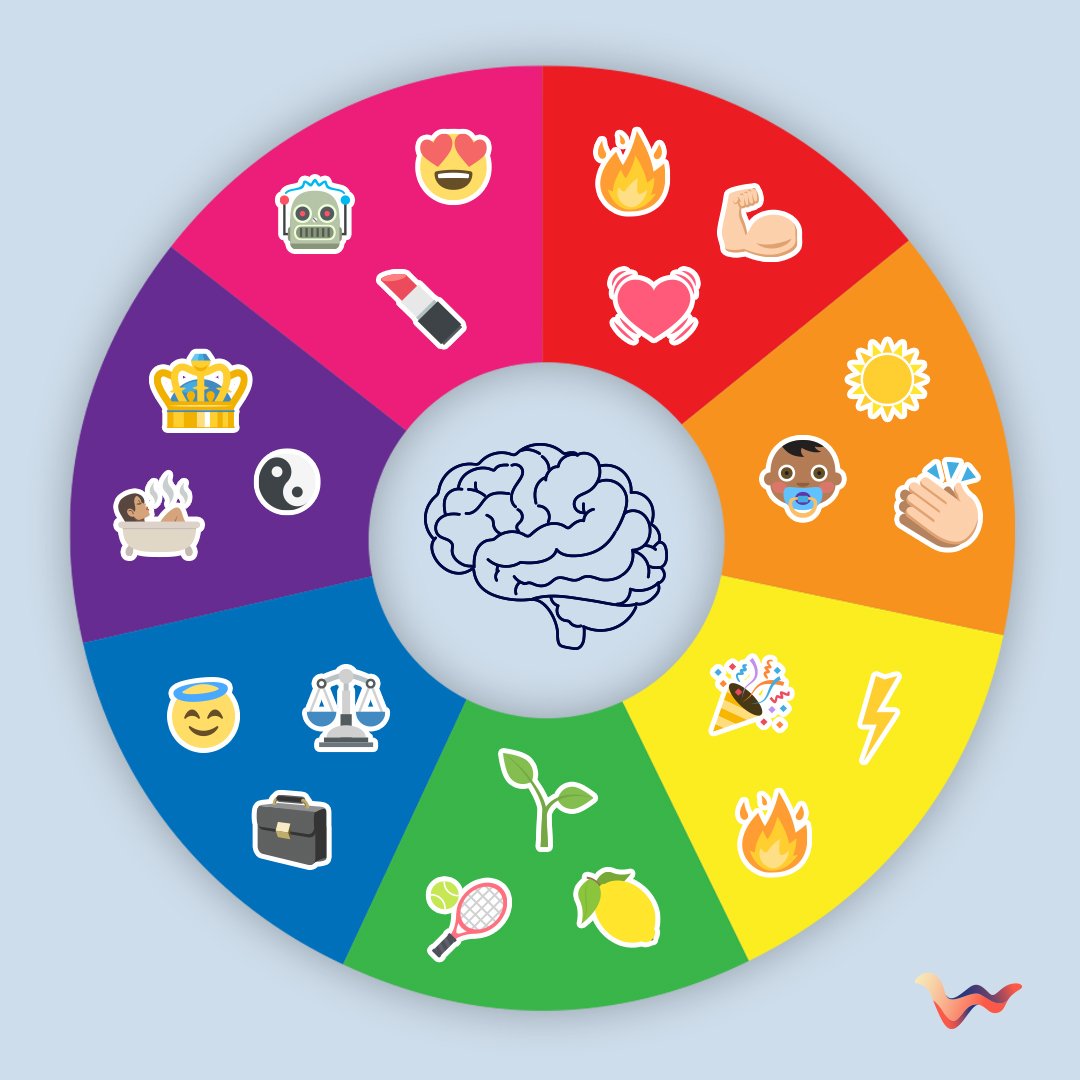
Color psychology plays an essential role within online marketing because of the impact colors have on the target audience’s perceptions, emotions and actions. By understanding the meaning behind colors, you can apply the right colors at the right time and in the right way to most effectively reach your target audience and build your own brand identity. Wondering how color affects online marketing? 🔎 We list the benefits:
Emotion Generation
Colors have the power to evoke emotions. By choosing the right colors, you can stimulate desired emotions in your target audience. For example, using warm colors such as red and yellow can evoke excitement and enthusiasm, while cool colors such as blue and green convey confidence and calm.
Brand recognition
Consistent use of specific colors in your online and offline expressions, such as your website, logo and social media images, contributes to brand recognition. This means that when people see those colors, they immediately think of your brand.
Call-to-action (CTA).
Colors can improve the effectiveness of your call-to-action buttons. Using a striking color for your CTA, such as orange or red, can increase conversion rates because it grabs the user’s attention and prompts them to take action.
Psychological associations
Colors often have culturally specific meanings and associations. By leveraging this knowledge, you can reinforce your marketing message. For example, using greenery in a health and wellness context can reinforce associations with nature and health.
Targeted design
Color psychology helps marketers and designers tailor their design choices to specific audiences. For example, if you know your target audience is primarily young, energetic people, you can use colors that fit their lifestyle and preferences.
Visual hierarchy
By using colors intelligently, you can direct the attention of your target audience. Important information can be highlighted with bold colors, while less important elements are displayed in more subtle colors.
A/B testing and optimizations
Colors can be an important part of A/B testing and optimization efforts. By testing different color variations, you can discover which colors work best to achieve your goals, such as increasing click-through rates or conversion rates.
Unique brand identity
Using color psychology can help you create a unique brand identity that stands out from competitors. A carefully chosen color palette not only makes your brand recognizable, but also original and unique.
What colors give what feeling?
So different colors evoke different emotions and associations. But which colors evoke which feelings? 🧐 We share below an overview of the psychology behind different colors. Please note that this is generally true. However, it always depends on several factors such as your target audience, what you want to portray yourself, the competition and what the data says. So we always recommend testing the colors through a/b testing and extensive research.
Red
Red represents passion, excitement, attention and power. It can also evoke danger, anger and alertness. It is often used to attract attention and encourage impulse buying. Examples of red color brands: Coca-Cola, Netflix, Vodafone.
Blue
Blue exudes trust, reliability, loyalty and stability. It is often used by companies that want a businesslike, neutral look. Examples of blue color brands: Facebook, LinkedIn, Oral-B.

Green
Green is associated with nature, health and prosperity. It is often used for food products and in the health and environmental sectors. Examples of green color brands: Hello Fresh, Starbucks, Animal Planet.

Yellow
Yellow evokes feelings of joy, optimism, warmth and intelligence. It is often used to attract attention and create a playful and positive atmosphere. Examples of yellow color brands: Ikea, McDonalds, Chupa Chups.
Purple
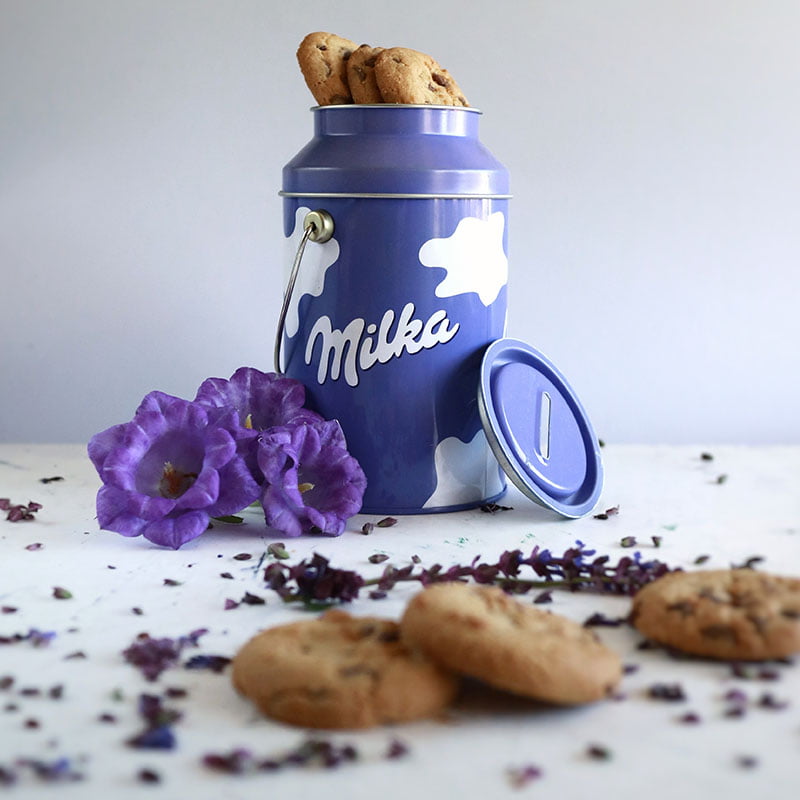
Purple symbolizes luxury, power, spirituality and mystery. It is often used by brands that want to convey a sense of exclusivity or nostalgia. Examples of purple color brands: Hallmark, Yahoo, Milka.
Pink
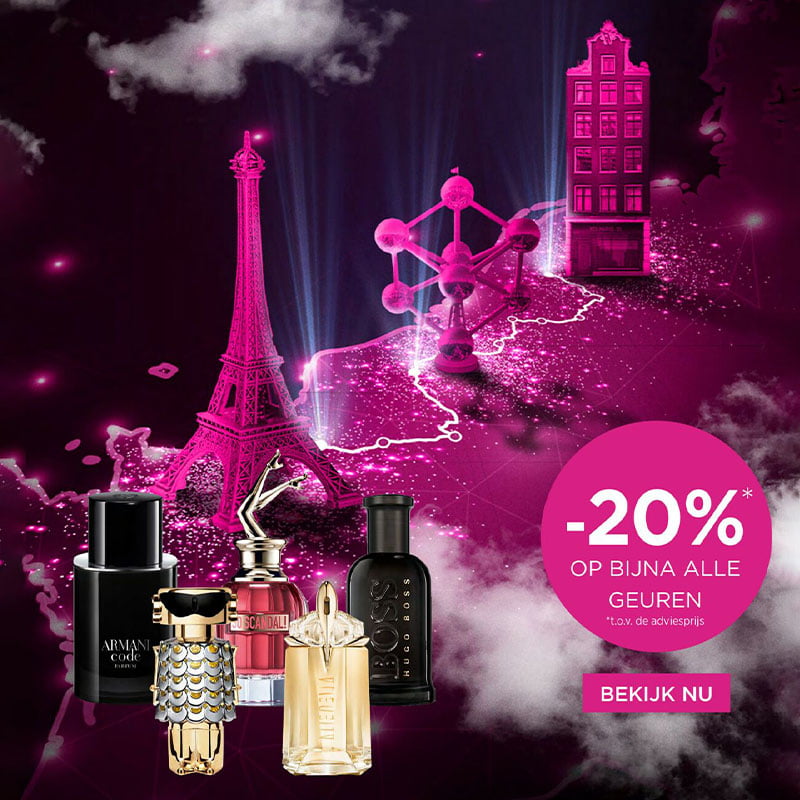
Pink exudes caring, sensitivity and love. It is often used in toys, cosmetics or feminine products. Examples of pink color brands: Victoria Secret, ICI Paris XL, Barbie.
Brown
Brown symbolizes sobriety, warmth, security and sensuality. It is often used in home furnishings and the food industry. Examples of brown color brands: Nestlé, Nespresso, UPS.

Orange
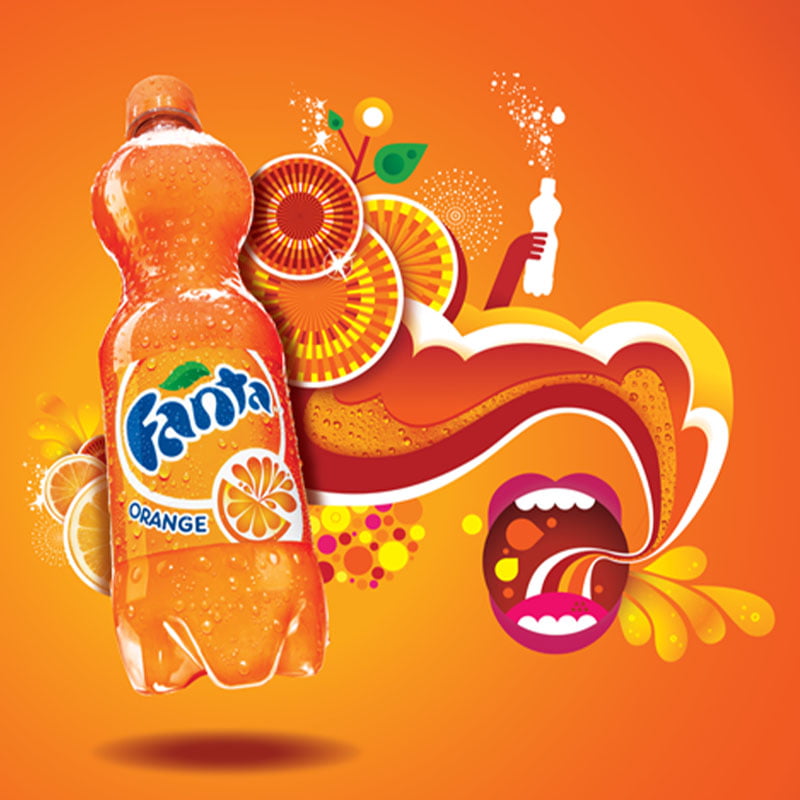
Orange represents youthfulness, playfulness, optimism and conviviality. Many restaurants choose an orange color because it whets the appetite. But it is also widely used in the fashion, health and toy sectors. Examples of orange color brands: Fanta, Nickelodeon, Amazon.
White
White radiates purity, balance, peace and perfection. It also represents new beginnings and is often associated with hygiene. The color is widely used in the health and technology industries. Examples of white color brands: Apple, Wikipedia, Chanel.

Black
Black represents darkness, rebelliousness and mystery but also power, elegance and authority. It is often brands that offer luxury products and/or services that use this color. Examples of black color brands: Jaguar, Etos, Adidas.

Gray
Gray can exude somberness but at the same time elegance, modesty and stability. Many car brands use this color. Fun fact: Did you know that many individuals choose a gray car because it feels like a “safe” choice? Examples of gray color brands: Swarovski, Wii, Nissan.

Conclusion
Color psychology is a powerful tool in the world of marketing and branding. Understanding the emotions and reactions that different colors evoke can give your brand a competitive advantage. 🏆 Remember, though, that context is very important. Look carefully at your values, what you want to convey and what is important to your target audience. Then keep on testing, researching and optimizing. What do you want your brand to convey?
Need help professionalizing your marketing?
Sander has 25 years of experience conceiving and executing branding & marketing campaigns, including the application of color psychology. Are you looking for support and want to know how he can help you? Then get in touch.

